

Tax Season SOS: Why Your CFO Always Wants a Second Opinion from Your CPA


Tax season is the ultimate stress test for any business owner, and it usually involves a fair amount of staring at spreadsheets until the numbers start moving like a game of Tetris. While your virtual CFO or Controller is the person in the trenches with you every day, keeping the books balanced and the cash flow healthy, the CPA is the specialist who steps in to cross the t-shirts and dot the i-scious. It is a common misconception that one can replace the other, but in reality, they are two different sides of the same coin. Your CFO is the one preparing the data, ensuring that every transaction is categorized correctly and that the financial health of the company is transparent. Meanwhile, the CPA is the tax law expert who ensures that your filing is compliant with the ever-changing tax code. A high-quality CFO will always insist on a second opinion from a CPA because they understand that tax laws are nuanced and complex. It is not about a lack of knowledge on the CFO part; it is about providing you with a double layer of protection. When these two professionals work in tandem, you get a financial system that is not only prepared for the present but also optimized for the future. This tag-team approach is the secret sauce to avoiding those mid-April meltdowns that keep so many entrepreneurs awake at night.
If you are currently feeling the heat of a looming deadline, there are a few last-minute tips that can save you a world of hurt. First and foremost, stop living in the era of paper and embrace the digital receipt. If you are still handing over a shoebox of physical receipts to your financial team, you are essentially asking them to perform a miracle in record time. Digital receipt tracking allows for real-time visibility and ensures that nothing gets lost in the shuffle. Another critical area to watch is nexus tracking. If your organization operates in multiple states, you might be creating tax obligations in places you haven't even visited. Sales tax nexus is a moving target, and missing a filing requirement can lead to massive penalties.
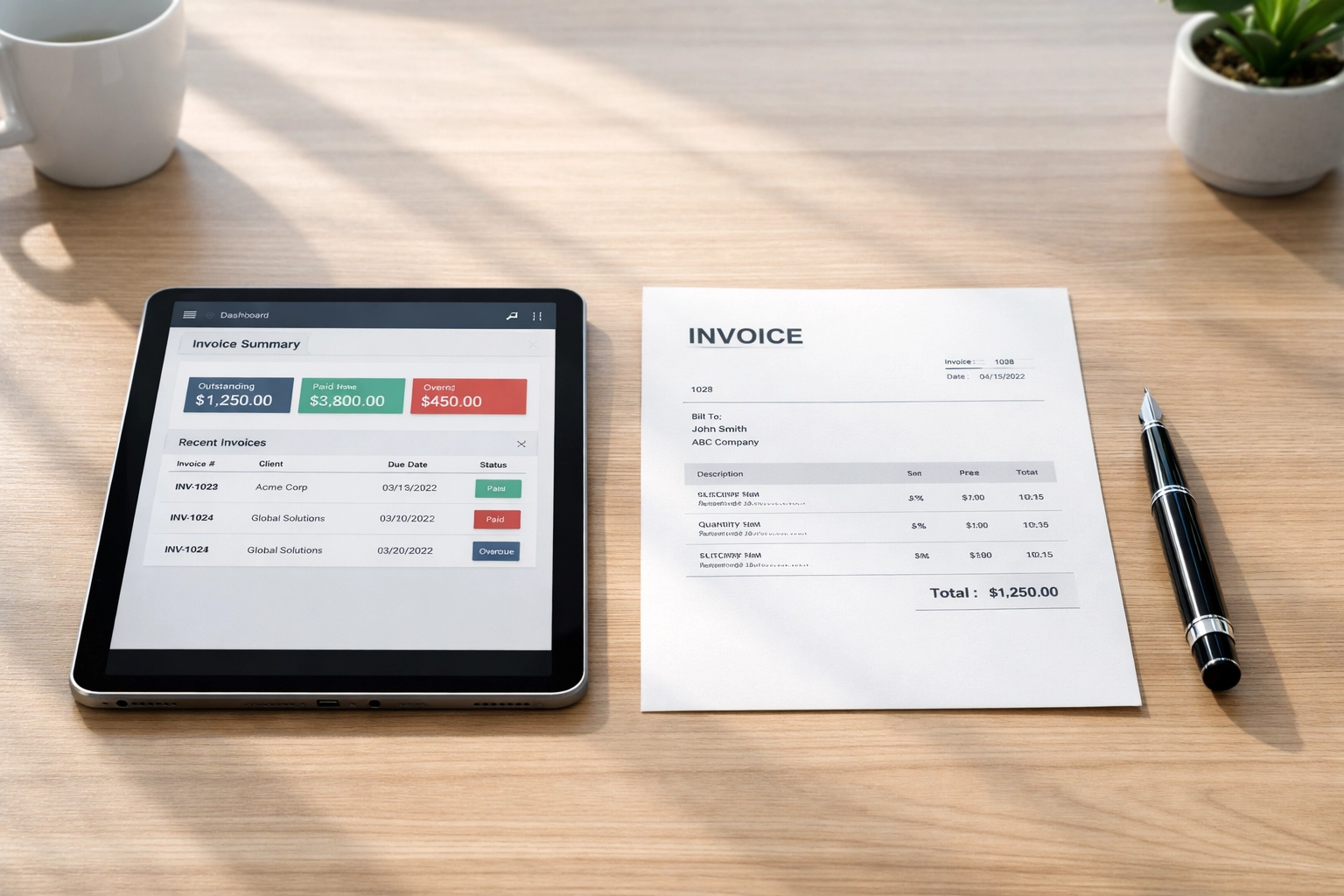
Your CFO and Controller are the ones who stay on top of these digital trails all year long, so when tax season arrives, the data is already organized and ready for the CPA to review. This level of preparation is what separates a smooth filing season from a chaotic one. By tracking these details daily, your CFO ensures that the CPA has everything they need to find every possible deduction and credit without having to play detective first.
There is a common fear among business owners that seeking a second opinion is a sign of weakness or a lack of trust in their internal team. However, the data suggests quite the opposite. Research indicates that a significant portion of tax returns, sometimes as high as six out of ten, contain missed opportunities for savings or errors that could have been avoided with an extra set of eyes. A CFO who recommends a CPA review is actually showing a high level of professional integrity. They are essentially saying that they want the absolute best outcome for your business and are willing to bring in a specialist to verify the strategy. This is very similar to getting a second opinion from a medical specialist before a major surgery. You want to be absolutely sure that the path you are taking is the most beneficial one available under the current tax code. This collaborative spirit helps identify missed deductions and ensures that your accounting treatments are fully utilizing the available provisions of the law. It turns tax season from a defensive scramble into a proactive strategy session where your entire financial team is working to lower your liability and protect your hard-earned revenue.
Maintaining this level of excellence requires a year-round commitment to organization and compliance. You cannot simply flip a switch in March and expect your finances to be perfect. This is why we often talk about the importance of consistent monitoring. For more on this, you can read The Year-Round Audit: Why Your CFO and Controller are the Key to Constant Compliance. When your books are always audit-ready, the actual tax filing becomes a formality rather than a crisis. Your CFO acts as the guardian of your financial data, ensuring that every entry is backed up by proper documentation and that internal controls are strictly followed. This is also closely tied to managing your schedule effectively. You can learn more about this by checking out The Cost of a Missed Calendar: Why Your CFO is the Ultimate Deadline Defender. Missing a tax deadline or a compliance filing can result in fines that dwarf the cost of professional oversight. By having a team that is obsessed with timelines and accuracy, you are buying yourself peace of mind. The CPA provides the final stamp of approval, but the CFO is the one who makes sure the plane is fueled and the flight plan is filed long before it is time to take off.

Ultimately, the partnership between your CFO and your CPA is about protecting the mission of your organization. Whether you are running a fast-growing startup or a community-focused nonprofit, you cannot afford to let financial mismanagement derail your goals. Expert oversight is not a DIY project that you can tackle on the weekends with a cup of coffee and a basic software package. It requires a deep understanding of financial strategy, tax law, and operational efficiency. By trusting a virtual CFO and a dedicated CPA to handle your financial oversight, you are freeing yourself up to focus on what you do best, which is leading your team and making an impact. Remember that a good CFO will never be afraid of a second opinion. In fact, they will welcome it because they know that their work is solid and that the CPA will only enhance the final result. So, as you navigate this tax season and look toward the rest of the year, consider whether you have the right experts in your corner. If you are ready to move away from the DIY model and toward a professional, collaborative financial strategy, then it is time to reach out and see how expert oversight can change the trajectory of your business. You can explore our specific approach to these challenges at https://www.procurisconsulting.com/services to learn more about how we can support your journey.
Comments